🔴 Invasive - Remove
Sweet Autumn Virginsbower
Clematis terniflora
This is an invasive species that harms native ecosystems. It should be removed when found to protect local plant and wildlife habitats.
Clematis terniflora
This is an invasive species that harms native ecosystems. It should be removed when found to protect local plant and wildlife habitats.
A nonnative perennial vine that grows aggressively, climbing over trees, fences, and other plants. It spreads quickly along the ground and can form thick, tangled mats that smother native plants. Vines can grow up to 20 feet long.
Colour and texture: Glossy, leathery, plain mid-green. The untoothed edge is the tell: our native virgin’s bower has clearly toothed leaflets and is otherwise very close.
How to identify it:
• Leaves: Grow in opposite pairs, with 5 to 7 smooth-edged leaflets (no jagged or toothed edges). Each leaflet is oval or heart-shaped. The top side is green; the underside is lighter.
• Flowers: Dense clusters of white, fragrant flowers with 4 petal-like sepals, blooming August-September.
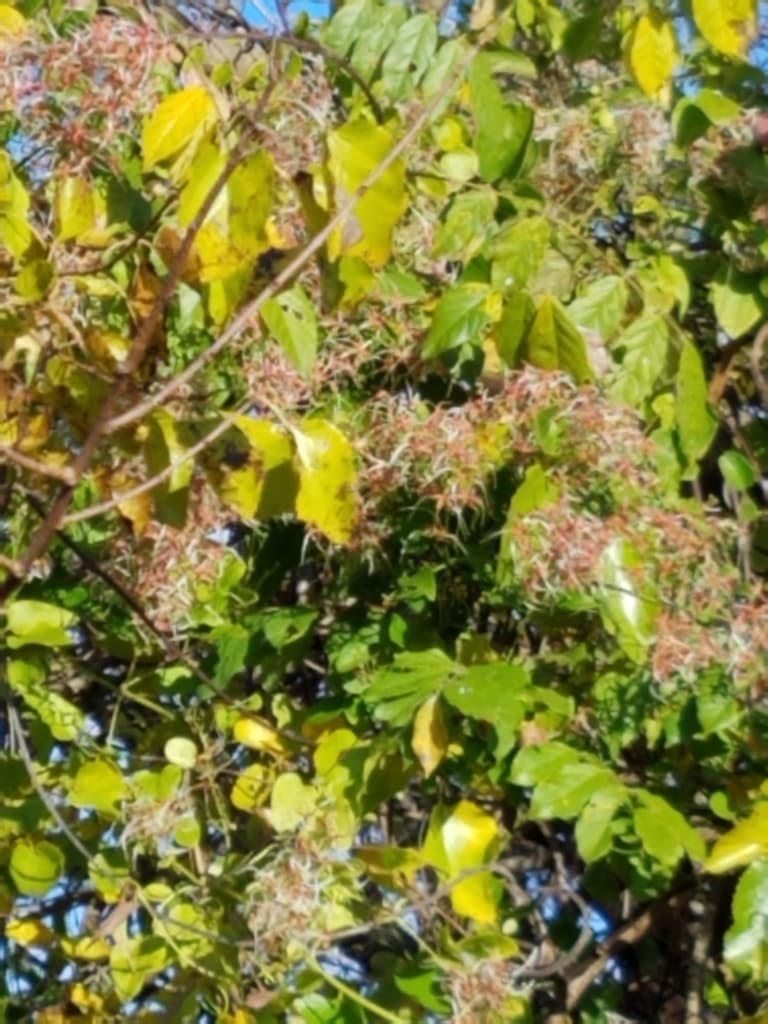
• Seeds: Turns into fluffy, feathery seed heads in the fall, giving the vine a fuzzy look.
• Growth habit: Twining vine that wraps around objects for support, often smothering trees and shrubs.
Seedheads September–November.
Silvery-grey feathery plumes. Every seed trails a long curling hair, so the whole vine looks covered in whiskery pom-poms.
Why it matters: Those plumes are built to fly. Bag the seedheads before you touch the rest of the vine, or cutting it scatters a season of seed on the wind.
Any plant carrying ripe seed or fruit. Once you start dragging it, you are sowing it.
Avoid: Do not carry a fruiting plant across the site to a pile. That walk is how the next patch gets planted.
A woody vine climbing a tree. This is the safe way to free a tree: you never pull a vine down out of a canopy.
Bag it. Bag the seedheads before you touch the rest of the vine. Those plumes are built to fly, and cutting first scatters a season of seed on the wind.
These two are the hardest pair in the guide. Same white four-petalled flowers at the same time of year, same feathery seedheads afterwards, same fences and forest edges. One is native and one is sold in garden centres and escapes into the woods. The edge of a leaflet is what separates them, and it is worth getting right before you cut.
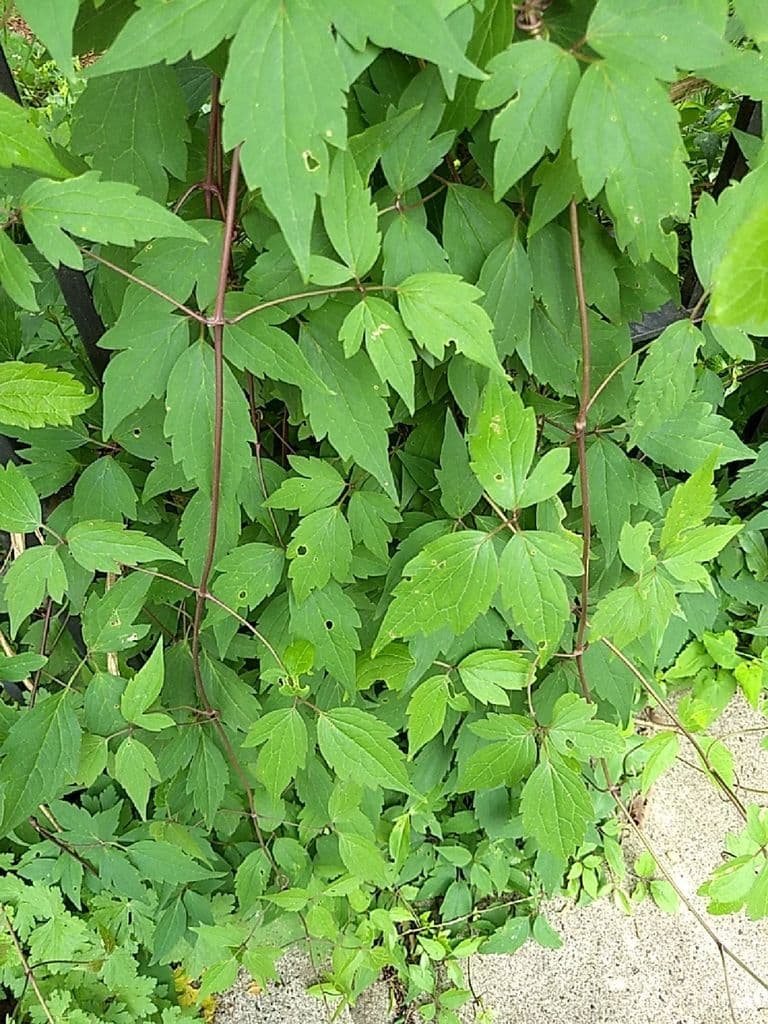
Native Virgin's Bower
Clematis virginiana
Native: keepLeaflets with clearly toothed edges.
Avoid: Do not haul the vine down. It is tangled into the branches, and pulling brings down deadwood on top of you.
Before the first cut: Dig out the root crown. It regrows from pieces. Bag seedheads before you touch the rest of the plant.
How to remove it:
• Cut & Pull: Cut vines at the base and gently remove them from trees or plants. Be careful not to damage native vegetation.
• Dig Out Roots: Try to remove the entire root crown, since this plant can regrow from root pieces.
• Bag Seed Heads: If the fuzzy seed heads are present, bag them before removal to keep seeds from spreading.
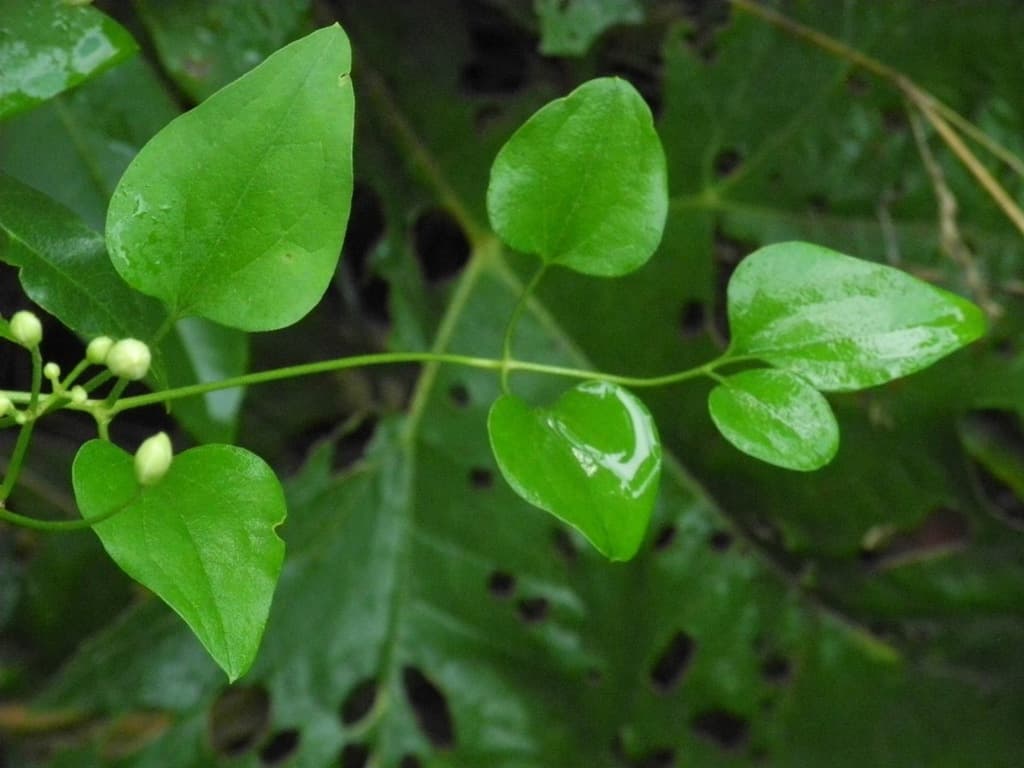
Sweet Autumn Virgin's Bower
Clematis terniflora
Invasive: removeLeaflets with smooth, untoothed edges.
Native Virgin's Bower
Clearly toothed, sometimes coarsely so, and thinner in texture.
Sweet Autumn Virgin's Bower
Smooth and untoothed the whole way round, and thicker, glossier, more leathery.
Native Virgin's Bower
White, four narrow petals, August into September, lightly scented.
Sweet Autumn Virgin's Bower
The same white four-petalled flowers, a little later and in far greater numbers: a solid curtain of white, strongly scented.
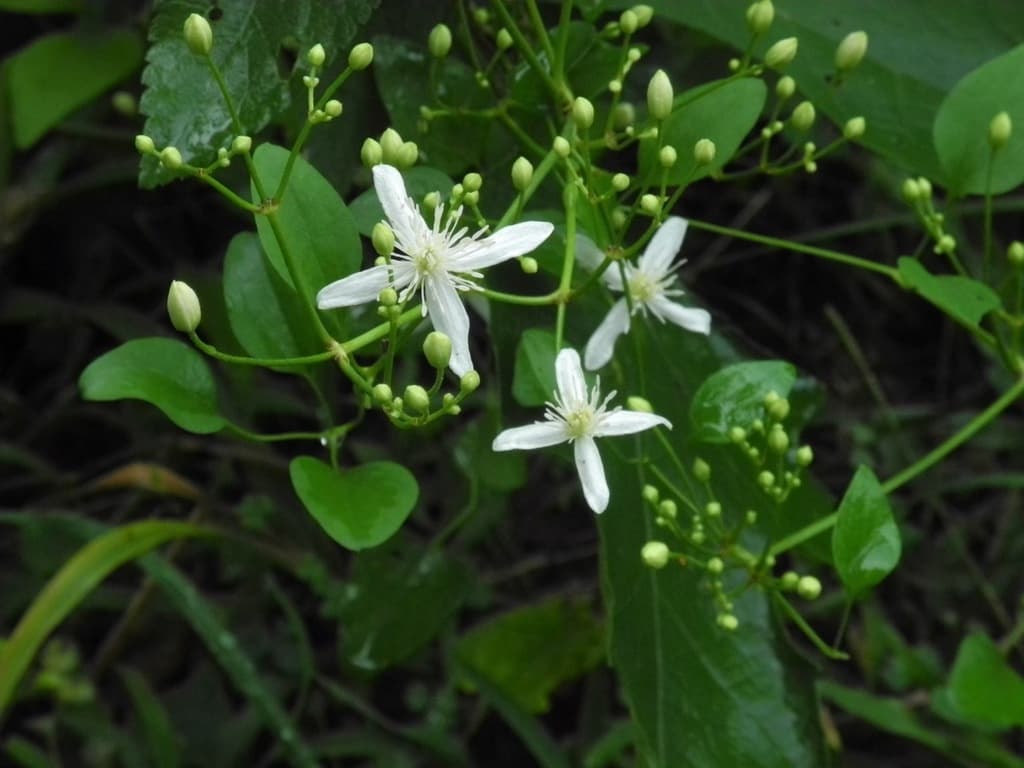
Native Virgin's Bower
Silvery feathery plumes.
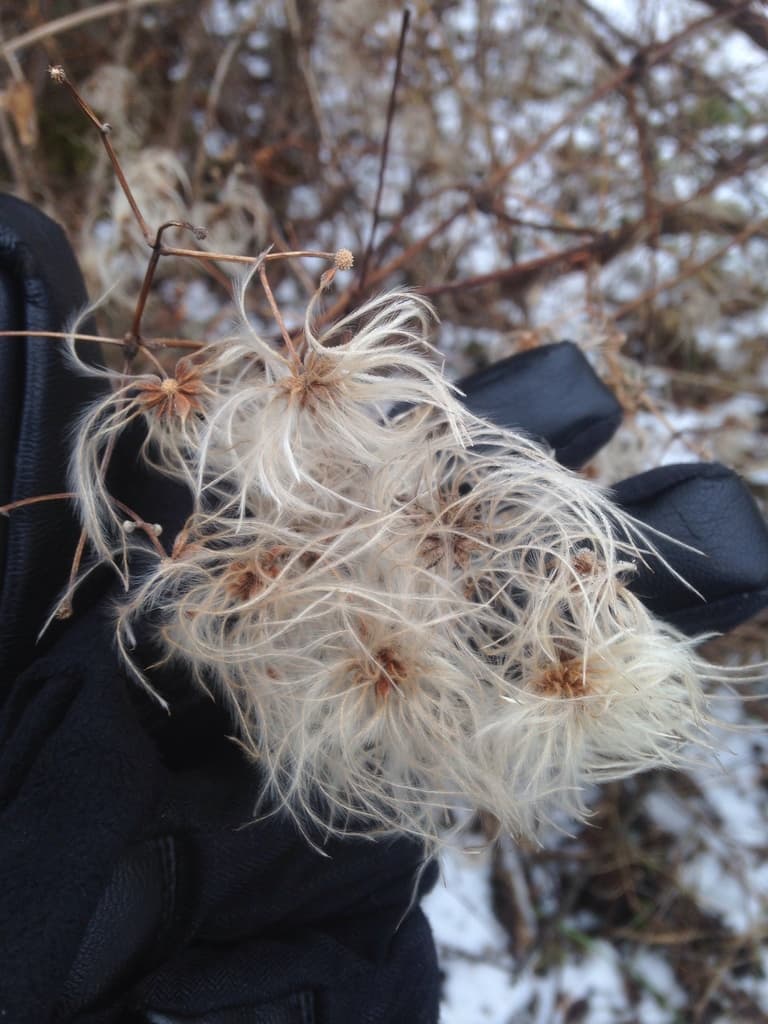
Sweet Autumn Virgin's Bower
Silvery feathery plumes, indistinguishable. Do not try to tell them apart by the seedhead.
Native Virgin's Bower
Leave it and flag it for the site lead. A native vine left standing costs nothing.
Sweet Autumn Virgin's Bower
Leave it and flag it for the site lead. It will still be there next month.
When in doubt, leave the plant and ask a site lead before removing it.